

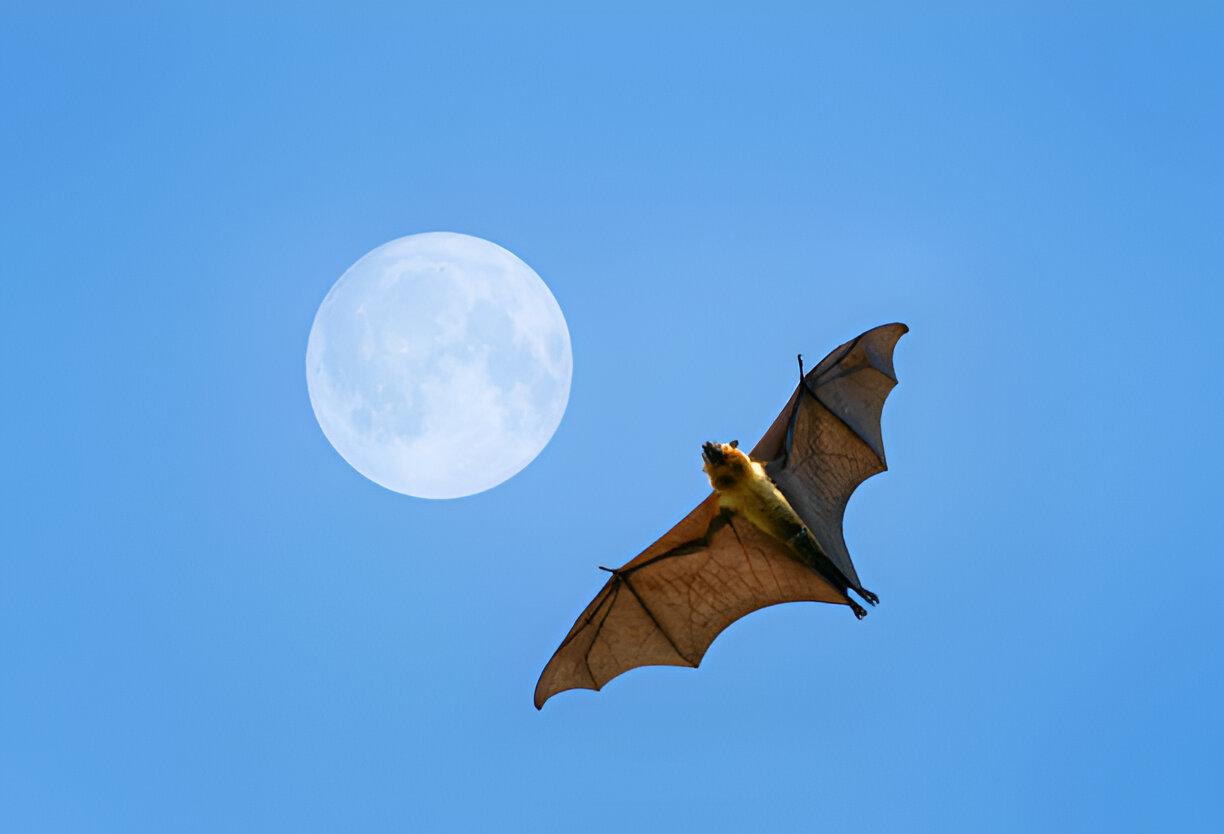
Bat emergence is a natural spectacle performed in twilight, an interval often associated with quietness and finales. These nocturnal creatures play their role in the balance of ecosystem health while bringing forth an exciting wildlife experience. Several places throughout the United States offer great chances to experience these beautiful animals in action.
Most night-flying insects become prey for bats which aids pest management through natural pest control practices. The flying ability and environmental complex navigation skills are indeed present in these mammals. They use echolocation for highly efficient navigation, avoid obstacles and locate prey during complete darkness.
Understanding bats’ essential ecological functions becomes possible by watching them interact with nature’s ecosystem. That knowledge is helpful in conserving them under the circumstances, as several species are now under threat from habitat loss, diseases, and disturbances posed by human activities.
The United States contains four prime locations where visitors can see bats perform their fascinating displays:
The Congress Avenue Bridge in Austin, Texas
This location serves as the base for the largest bat colony located within a North American urban setting where 1.5 million Mexican free-tailed bats live. The bats perform their nightly aerial display throughout the late spring through early fall period by producing a dense shifting shadow against the darkening sky.
The massive exodus of bats from the bridge creates a spectacle that draws substantial crowds of thousands of people. Visitors can watch the bats from two main areas: river cruise tours alongside boat tours and designated bat-viewing areas provided by park authorities. The bats start their flight during sunset at specific times depending on weather conditions, which people need to check.

Carlsbad Caverns National Park in New Mexico
Travelers visit it to see the breathtaking cave formations located within the Chihuahuan Desert. The location features an extraordinary viewing opportunity for bats as part of its natural attractions.
The cave entrance of the Brazilian free-tailed bats draws hundreds of thousands of them between late May and October for their evening emergence. Park staff members deliver interpretative lessons about bats that demonstrate their natural habits and environmental role. Visitors can easily find good observation spots because the cave entrance creates a natural Amphitheatre.
The Yolo Bypass Wildlife Area in California
It functions as a wildlife sanctuary that serves as home to numerous Mexican free-tailed bat species. The extensive wetlands at this location provide perfect habitat for numerous insect species which attracts bats to hunt. Bat-watching events are scheduled in the summer to allow people observe bats when they exit their roosts to obtain food.
Bracken Cave in Texas
The location contains yet another large bat settlement where millions of Mexican Free-tailed bats reside. Bat Conservation international organizes trips for the public to view these amazing sightseeing opportunities at locations that are not as accessible as the Austin Bridge. This location contains a massive bat population that results in an incredible sight when the bats emerge for feeding.
Observing bats in these remarkable locations grants you the chance to experience their amazing behavior and fascinating ways. Our observation of bats throughout the night allows us to value their role within ecosystems alongside the significance of implementing sustainable practices.