

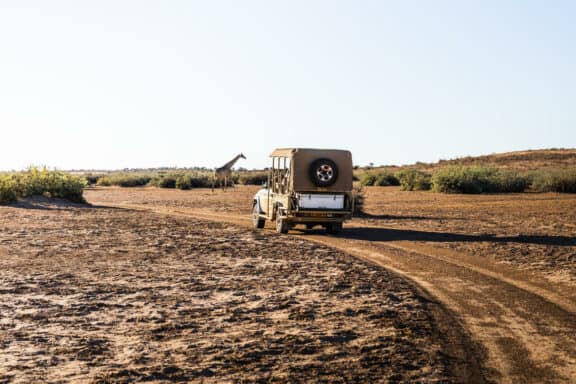
South Africa is a destination that truly captures the imagination. From the rugged beauty of the bushveld to the majestic sightings of the Big Five in their natural habitat, a safari here is a bucket-list experience for many travellers around the globe.
Whether you are planning a trip to the iconic Kruger National Park or exploring the private reserves of the Eastern Cape, there is an undeniable magic to the South African wild.
As the excitement for the trip bubbles, it is important to remember that a successful safari requires more than just showing up with a camera. To ensure your journey goes down as smoothly as the South African sundowners, are a few vital pointers to keep in mind.
1. Choose the Right Reserve and Book Early
South Africa offers a diverse range of safari experiences. The Greater Kruger National Park is rightly world-famous, but you might also want to consider exploring the private reserves of the Eastern Cape, the Pilanesberg or Madikwe, which are also excellent options for families.
Popular lodges and campsites can book up months, sometimes as much as a year, in advance, especially during the peak winter months (June to August), when wildlife viewing is at its best. Booking early not only secures your spot but often gives you first choice in all of your activities.
Although self-driving is an option in parks like Kruger, nothing beats experiencing a safari in the hands of a professional guide who can spot a leopard camouflaged in a tree from hundreds of yards away.
2. Pack the Safari Essentials
When it comes to the bush, packing light and smart is the way to go. Most safari lodges have a relaxed dress code, so leave the formal wear at home. Instead, focus on breathable, neutral-coloured clothing. Think khakis, greens, and tans that will help you blend into the environment.
Bright colours can distract the wildlife, and white tends to get dusty very quickly on those dirt roads.
Be sure to pack a sturdy pair of closed-toe shoes if you’re planning to go on a walking safari and high-factor sunblock to protect against the African sun. A wide-brimmed hat and polarised sunglasses also come in handy.
Additionally, don’t forget to take a little kit with essentials like insect repellent, rehydration salts, and any prescription meds, as pharmacies are few and far between once you enter the reserves.
3. Embrace the Slow Pace of the Bush
The best part of a safari is often the thrill of spotting lions, leopards, rhino, elephants, and buffalo, especially for first-time safari goers, but safari life is also about the moments in between. You will likely find yourself rising before dawn and returning to the lodge for a midday siesta when the animals are least active.
There is often limited mobile signal and Wi-Fi can be patchy in more remote camps. Use this as an opportunity to disconnect. Bring a good book, a pair of binoculars, and a journal to record your sightings.
Patience is the greatest virtue on safari; sometimes the most unforgettable moments happen when you aren’t looking for them, like watching a dung beetle at work or hearing the distant call of a fish eagle.
4. Stay Healthy and Be Informed
Before you fly out, check the latest health advice specific to the areas where you will be travelling. Many parts of South Africa are malaria-free, but certain regions, such as parts of the Kruger and northern KwaZulu-Natal, are considered risk areas. Speak to your GP or a travel clinic about 4-6 weeks before departure about anti-malarial medication and routine vaccinations.
In addition, always carry a basic first-aid kit with antihistamines and painkillers.
It is also worth noting that South Africa primarily uses the Type M plug (the large three-prong version). Most “universal” adapters sold in the UK do not include this specific head, so ensure you buy a dedicated South African adapter to keep your camera and phone charged so you never miss a photo.
5. Capture the Memories Creatively
A safari is a visual feast, but be mindful not to spend the entire time looking through a lens. Balance your photography with quiet observation. If you are a budding photographer, consider brushing up on camera tips and settings before you go to help with those tricky low-light shots at dawn and dusk.
Memories can be so much more than photos. You can keep small mementos like park entry slips or even bottle caps from local drinks to create a scrapbook later. These small details will help bring the sights, sounds, and scents of the African bush back to life long after you’ve returned home.
Conclusion
If South Africa is already on your mind, planning your safari is the first step of an incredible journey into one of the world’s most vibrant landscapes. By sorting your bookings early, packing the right gear, and arriving with a sense of adventure and patience, you’ll ensure that your trip is as stress-free as it is spectacular.
South Africa is a transformative holiday destination, and with these tips in hand, you’ll be ready to experience the wild in the best way possible. Safe travels!