

Nepal is a dream destination for adventure lovers, offering spectacular mountain views, beautiful landscapes, and rich cultural traditions. Among its many trekking destinations, the Pikey Peak Trek is an excellent choice for travelers who want to experience the beauty of the Everest region without following the busy trails of popular trekking routes. Located in the Solukhumbu district of Nepal, Pikey Peak is famous for its breathtaking Himalayan panoramas, traditional Sherpa villages, peaceful forests, and unforgettable sunrise views.
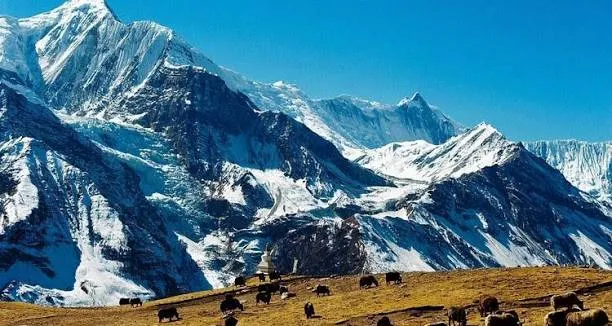
Standing at approximately 4,065 meters above sea level, Pikey Peak offers an incredible opportunity to admire some of the world’s highest mountains. The trek combines natural beauty with cultural exploration, making it suitable for beginners, families with trekking experience, and adventure enthusiasts. However, choosing the Pikey Peak Trek Best Time is essential for enjoying clear mountain views, comfortable temperatures, and favorable trail conditions.
Overview of the Pikey Peak Trek
The Pikey Peak Trek is a short Himalayan adventure that takes visitors through the beautiful lower Everest region. The journey usually starts with a scenic drive from Kathmandu toward Dhap or another suitable starting point, depending on the itinerary.
Along the route, trekkers pass through traditional settlements, green hills, rhododendron forests, and peaceful mountain trails. The journey also offers opportunities to experience Sherpa culture, visit Buddhist monasteries, and interact with local communities.
One of the biggest attractions is reaching the summit of Pikey Peak, where visitors can enjoy panoramic views of the Himalayan mountain range. On clear days, the scenery may include Mount Everest, Makalu, Kanchenjunga, and several other impressive peaks.
Major Highlights of the Pikey Peak Trek
1. Stunning Himalayan Mountain Views
The most memorable attraction of the Pikey Peak Trek is its spectacular mountain scenery. From the summit, trekkers can enjoy impressive views of the Himalayan range. Sunrise is particularly beautiful, as golden sunlight gradually illuminates the snow-covered mountains.
2. Traditional Sherpa Villages
The trekking route passes through traditional Sherpa settlements where visitors can experience local lifestyles, hospitality, and cultural traditions. These villages provide a deeper understanding of the people who have lived in the Himalayan region for generations.
3. Beautiful Forests and Natural Scenery
The trail features peaceful forests, alpine landscapes, green hills, and colorful rhododendron vegetation. During spring, blooming flowers make the surroundings especially attractive for photographers and nature enthusiasts.
4. Ancient Monasteries and Buddhist Culture
Travelers can explore Buddhist monasteries, prayer flags, mani walls, and other religious landmarks. These cultural attractions highlight the spiritual importance of the Everest region and create meaningful experiences throughout the journey.
5. Less Crowded Trekking Experience
Unlike the Everest Base Camp route, Pikey Peak generally receives fewer trekkers. This makes it an excellent destination for visitors seeking peaceful trails and a closer connection with nature.
Pikey Peak Trek Best Time
Understanding the Pikey Peak Trek Best Time helps travelers select the right season for their adventure. Although the trek can be completed throughout much of the year, spring and autumn are generally considered the most favorable seasons.
1. Spring Season (March to May)
Spring is one of the best periods for the Pikey Peak Trek. Temperatures become warmer, forests turn green, and rhododendron flowers create beautiful scenery along the trails.
The weather is generally pleasant for walking, while clear mornings can provide excellent Himalayan views. This season is particularly suitable for nature lovers, photographers, and travelers who enjoy colorful landscapes.
2. Autumn Season (September to November)
Autumn is another excellent time for trekking in the Pikey Peak region. Following the monsoon, the atmosphere is often clearer, offering impressive mountain visibility.
October and November are especially popular because of their comfortable daytime temperatures, generally favorable trail conditions, and beautiful Himalayan scenery.
3. Winter Season (December to February)
Winter offers a quieter trekking experience, but temperatures can become extremely cold at higher elevations. Snowfall may also affect some sections of the route.
Travelers planning a winter trek should carry warm clothing, suitable footwear, and proper equipment. Checking local weather conditions before departure is essential.
4. Monsoon Season (June to August)
The monsoon season brings heavy rainfall to many parts of Nepal. Trails may become slippery, visibility can decrease, and road transportation may be affected by landslides.
Although the landscape becomes lush and green, monsoon is generally less recommended for the Pikey Peak Trek.
Typical Pikey Peak Trek Itinerary
A six-day itinerary is a popular option for exploring the region.
-
Day 1: Drive from Kathmandu to Dhap.
-
Day 2: Trek from Dhap to Jhapre through beautiful rural landscapes.
-
Day 3: Continue trekking from Jhapre to Pikey Peak Base Camp.
-
Day 4: Enjoy an early morning summit hike for sunrise views, then descend toward Junbesi.
-
Day 5: Explore Junbesi village and nearby cultural attractions.
-
Day 6: Return toward Kathmandu by road.
The itinerary can be adjusted depending on weather conditions, walking ability, and personal travel preferences.
Essential Tips for a Successful Pikey Peak Trek
Proper preparation is important for a safe and comfortable trekking experience.
-
Wear comfortable trekking boots with good grip.
-
Carry warm clothing for cold mornings and evenings.
-
Bring sunscreen, sunglasses, and a hat.
-
Pack a waterproof jacket and extra socks.
-
Maintain reasonable physical fitness before departure.
-
Drink enough water throughout the trek.
-
Allow time for proper altitude acclimatization.
-
Carry personal medication and a basic first-aid kit.
-
Respect local culture, traditions, and religious sites.
-
Consider hiring an experienced local trekking guide.
Why Choose the Pikey Peak Trek?
The Pikey Peak Trek is ideal for travelers who want to explore the Everest region without undertaking a long or particularly demanding expedition. Its combination of spectacular mountain views, traditional villages, cultural attractions, and peaceful walking trails creates a rewarding travel experience.
It is particularly suitable for photographers, nature enthusiasts, cultural explorers, and travelers with limited time in Nepal. The relatively short duration also makes it easier to combine with other sightseeing activities around Kathmandu.
Conclusion
The Pikey Peak Trek is one of Nepal’s rewarding short Himalayan adventures, offering breathtaking mountain scenery, traditional Sherpa culture, beautiful forests, and peaceful trekking trails. Its spectacular sunrise views and panoramic Himalayan landscapes make it a memorable destination for both new and experienced trekkers.
Choosing the Pikey Peak Trek Best Time is equally important for enjoying favorable weather and clear mountain views. Spring (March to May) and autumn (September to November) are generally the most recommended seasons for this adventure.
With proper preparation, suitable trekking equipment, and a well-planned itinerary, visitors can enjoy an unforgettable journey through the beautiful Everest region. For anyone looking to discover Nepal’s natural beauty and cultural heritage away from crowded trekking routes, Pikey Peak is an excellent destination.